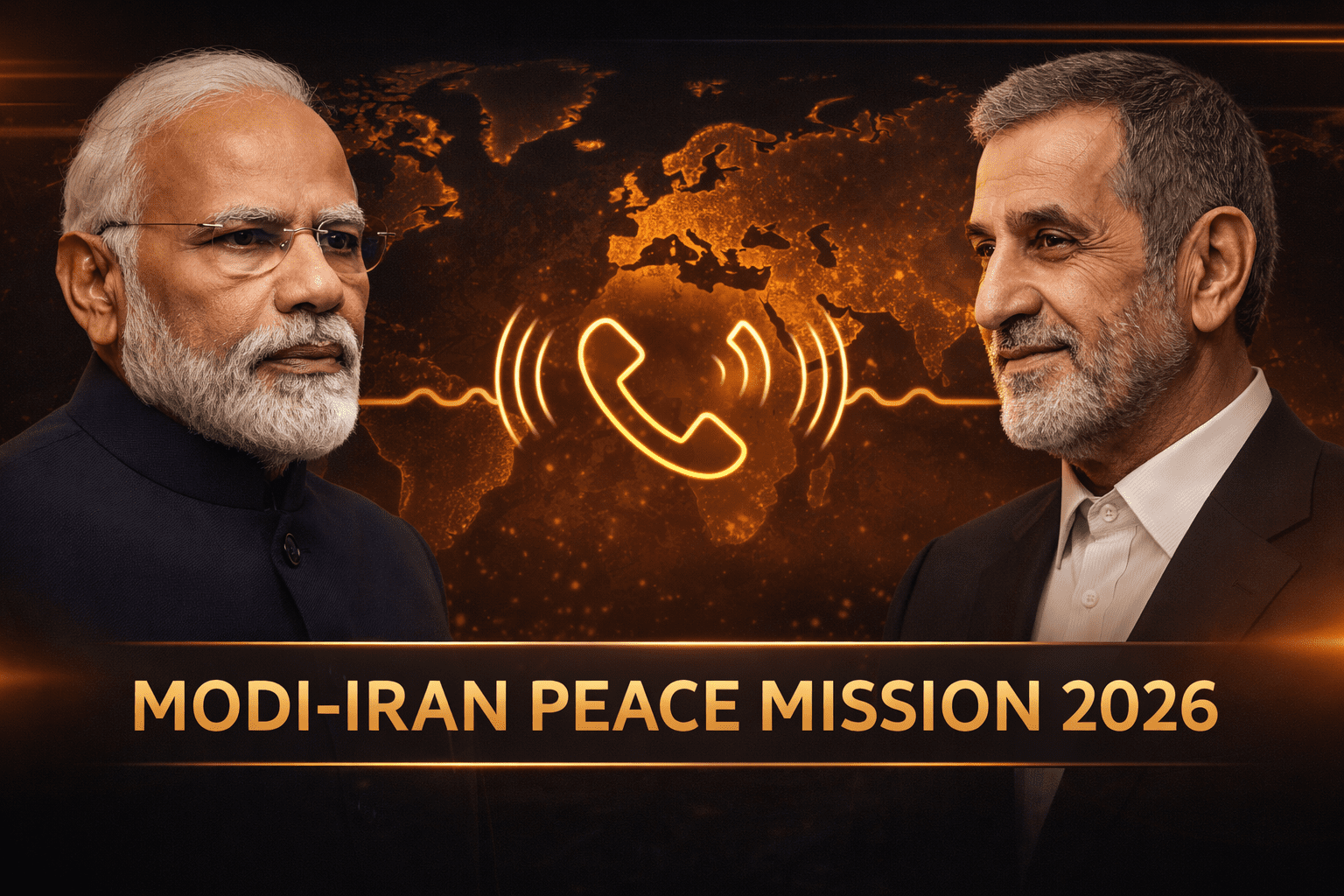
The global geopolitical landscape reached a boiling point on the morning of March 13, 2026. Following the catastrophic drone strikes on Dubai’s financial district and the rapid naval mobilization in the Strait of Hormuz, the world’s attention turned to New Delhi. In an urgent diplomatic masterstroke, the PM Modi Iran President call took place today, lasting 30 minutes and potentially changing the course of a looming global conflict.
This high-stakes dialogue was not merely a routine diplomatic exchange; it was a desperate intervention by the leader of the world’s most populous nation to prevent a regional war from becoming a global catastrophe. As oil prices surge and global markets tremble, this call between Prime Minister Narendra Modi and the Iranian President has emerged as the single most important event in the March 2026 Middle East crisis.
1. The March 2026 Middle East Crisis: A World on the Brink
To understand the gravity of the PM Modi Iran President call, one must look at the unprecedented chaos of the last 72 hours. The Middle East, which had enjoyed a period of relative calm in 2025, has suddenly descended into high-intensity volatility.
The “Dubai Incident”—a series of coordinated drone attacks targeting energy hubs and logistics centers—has effectively paralyzed one of the world’s most vital transit points. While no state actor has officially claimed responsibility, the subsequent exchange of threats between regional powers has brought the Iran-Israel shadow war into the terrifying light of open conflict.
For India, this is a direct domestic threat. With nearly 9 million Indian citizens living in the Gulf and 30% of India’s energy imports passing through these volatile waters, a war in the Middle East is an economic dagger pointed at New Delhi.
2. Detailed Analysis: Inside the PM Modi Iran President Call
According to high-level sources within the Ministry of External Affairs (MEA), the conversation was described as “strategic, firm, and focused on immediate de-escalation.” Here is a breakdown of the three core pillars discussed during the PM Modi Iran President call:
A. “Not an Era of War”: The Global Peace Doctrine
PM Modi reiterated his world-famous doctrine that “today’s era is not an era of war.” He emphasized that the global economy, still recovering from previous supply chain shocks, cannot afford another massive disruption. India’s message to the Iranian leadership was crystal clear: Diplomacy must remain the primary exit ramp.
B. Securing the Safety of 9 Million Indians
Perhaps the most crucial aspect of the PM Modi Iran President call for the Indian public was the assurance sought regarding the Indian diaspora. Prime Minister Modi sought direct guarantees that Indian professionals and workers in the region would be protected. In 2026, the Indian diaspora is the backbone of the Middle East’s economy; their safety is a non-negotiable priority for New Delhi.
C. Maritime Security and the Strategic Chabahar Port
India has invested billions into the Chabahar Port in Iran, which serves as India’s gateway to Central Asia and Russia via the International North-South Transport Corridor (INSTC). During the call, PM Modi expressed grave concern that a naval conflict would turn the Gulf of Oman into a “dead zone” for trade, effectively destroying years of strategic economic planning.
3. The “Vishwa Bandhu” Strategy: Why the World is Looking at India
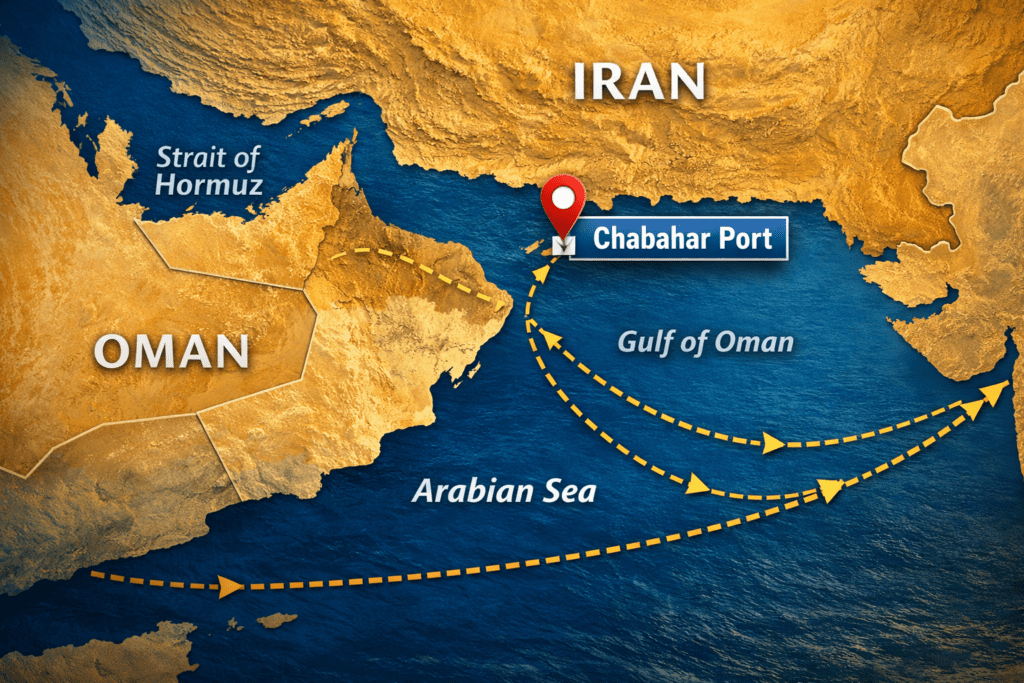
In the complex geopolitical chess match of 2026, India is the only power capable of playing the role of a “trusted referee.” The PM Modi Iran President call highlights India’s unique standing:
-
Trust with Israel: India’s defense and intelligence partnership with Israel has reached historic heights.
-
Strategic Ties with Iran: Despite global pressures, India has maintained deep civilizational and energy ties with Tehran.
-
Economic Integration with Arab Nations: Ties with the UAE and Saudi Arabia have evolved into a deep strategic partnership.
When PM Modi speaks to Iran, he speaks not just for India, but as the de facto leader of the Global South. Smaller nations in Africa and Southeast Asia, who are most vulnerable to oil shocks, look to India as their voice in these moments of crisis.
Read our report: Impact of Climate Change Legislation on Offshore Assets
4. The Economic Fallout: Oil, Stocks, and Gold Prices
The financial markets reacted instantly to news of the PM Modi Iran President call. Before the call was confirmed, Brent Crude was skyrocketing toward $135 per barrel. However, as news broke that a high-level dialogue was underway, prices stabilized, showing a $5 correction within hours.
The Impact on the Indian Common Man:
-
Fuel Inflation: If the crisis escalates, petrol and diesel prices in India could jump by ₹15–20 per liter, triggering a chain reaction of food inflation.
-
Stock Market Volatility: The Nifty and Sensex have seen 2000-point swings this week. While defense stocks are rising, aviation and manufacturing sectors are under heavy pressure.
-
Gold as a Safe Haven: Gold prices in India reached an all-time high of ₹85,000 (approximate 2026 projection) today as investors dump risky assets.
5. Geopolitical Analysis: Is India the New Peacemaker?
For decades, Indian diplomacy was criticized for being “passive.” The PM Modi Iran President call proves that those days are over. By refusing to join any specific military bloc, India has earned the moral and political authority to mediate.
Experts believe that PM Modi is also in constant contact with the White House and the Kremlin to coordinate a “De-escalation Roadmap.” If India succeeds in cooling down the Middle East, it will solidify its claim for a permanent seat at the UN Security Council.
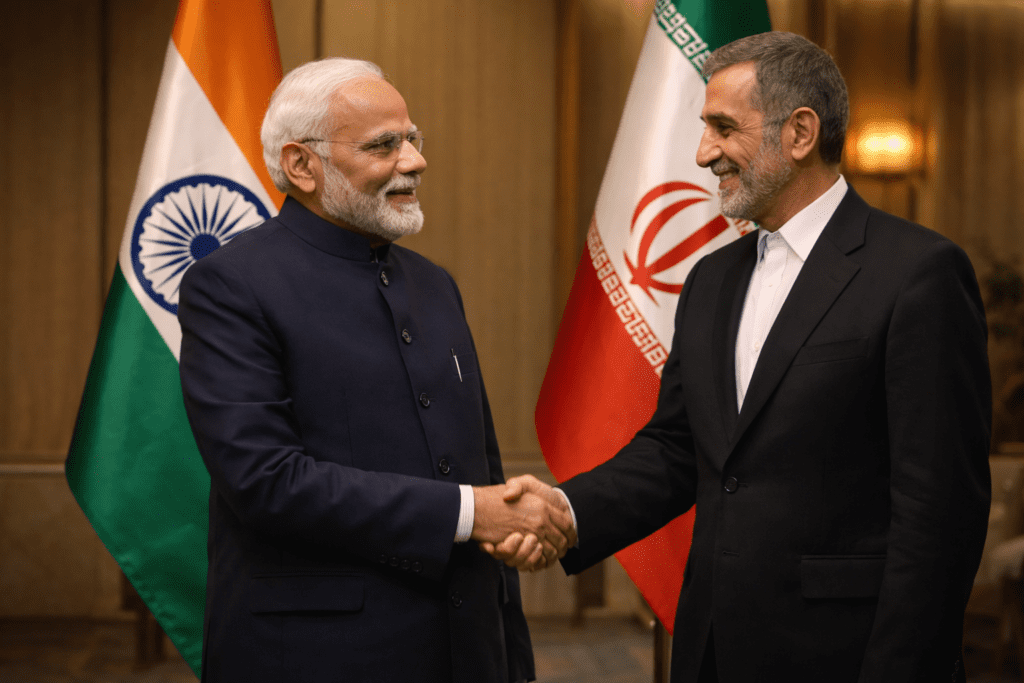
6. Strategic Visuals: Understanding the Crisis
7. The Road Ahead: What to Expect Next?
The next 48 to 72 hours will determine if the PM Modi Iran President call was enough to stop the drums of war.
Watch out for these three signs:
-
A Follow-up Call with Israel: If PM Modi speaks to the Israeli Prime Minister tomorrow, it confirms a formal mediation process.
-
UN Emergency Session: India might lead a resolution for a “Maritime Neutral Zone.”
-
Energy Market Stability: If oil prices drop below $110, it’s a sign that the “Modi Mediation” is working.
8. Conclusion: A Masterclass in Crisis Diplomacy
The events of March 13, 2026, will be etched in history books. The PM Modi Iran President call is more than just a headline—it is a masterclass in how a rising power uses its “Soft Power” and “Strategic Autonomy” to protect global interests.
Prime Minister Modi’s proactive approach reflects a “New India” that is willing to take risks for the sake of global stability. As the smoke clears over the Middle East, the world hopes that the wisdom of New Delhi prevails over the weapons of war.
Frequently Asked Questions (FAQs)
Q1: What was the main agenda of the PM Modi Iran President call?
A: The main agenda was to discuss immediate de-escalation in the Middle East following the Dubai attacks and to ensure the safety of the Indian diaspora and maritime trade routes.
Q2: How does the Middle East crisis impact India’s economy in 2026?
A: A war in the Middle East threatens India’s energy security, increases fuel prices, affects the stock market, and puts the remittances from 9 million Indian expats at risk.
Q3: Is India acting as a mediator between Iran and Israel?
A: Yes, due to its strong ties with both nations, India is uniquely positioned to act as a neutral mediator, a role highlighted by the recent PM Modi Iran President call.
Q4: What is the “Vishwa Bandhu” philosophy?
A: It is Prime Minister Modi’s foreign policy approach that treats India as a “Friend to the World,” working for global peace and development rather than taking sides in military conflicts.