Luxury watch milestones define the very essence of the high-end horological landscape. While other industries look primarily to the future, the watch business is uniquely obsessed with its own history. This year, we are witnessing a phenomenon that can only be described as “Milestone Mania.” From century-old brand foundations to the specific birthdays of iconic models like the Rolex Datejust and the Audemars Piguet Royal Oak, the calendar is packed with celebration.
But why do these dates matter? Is it simply a marketing tactic to sell limited editions, or do these anniversaries serve as a catalyst for genuine technical innovation? By analyzing the strategies of the world’s most prestigious “Maisons,” we can decode the true power and psychology behind these significant moments in time.
1. The Stealth Strategy of Rolex and Patek Philippe
In the world of luxury watch milestones, two names stand above the rest for their restraint: Rolex and Patek Philippe. Rolex was founded in 1905 as Wilsdorf and Davis, making this a pivotal year for the brand. However, if you visit the official Rolex website, you won’t find flashy banners or “Anniversary Sale” countdowns.
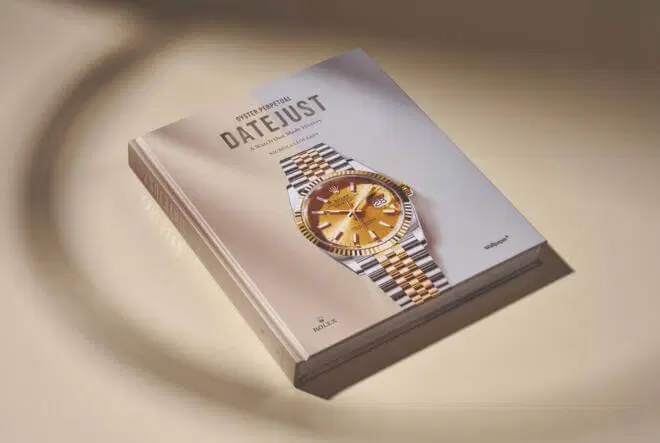
Rolex prefers a “low-key” approach. Even as the GMT-Master II and the Datejust celebrate key birthdays, the brand remains casual. They released an authorized book, Oyster Perpetual Datejust – A Watch that Made History by Nicholas Foulkes, but they did so without the typical fanfare associated with luxury marketing. This suggests that for the world’s most powerful watch brand, the product’s history is a constant, not a seasonal promotional tool.
Similarly, Patek Philippe (founded in 1839) often stays quiet during major years. 2025 marks the 100th anniversary of the world’s first perpetual calendar wristwatch—a Patek Philippe innovation from 1925. Yet, the brand did not lead with this news in their recent launches, such as the Cubitus. For these “Silent Giants,” the milestone is a mark of seniority that speaks for itself.
2. Technical Innovation Driven by Deadlines
One of the most fascinating aspects of luxury watch milestones is how they force manufactures to push the boundaries of engineering. Unlike standard production cycles, an anniversary comes with a fixed deadline. You cannot delay a 150th-anniversary watch to the 151st year.
Audemars Piguet (AP) is a prime example. For their 150th anniversary, the Le Brassus manufacture unveiled the RD#5. This timepiece combines a flyback chronograph and a flying tourbillon within the Royal Oak collection for the first time. By setting these “milestone deadlines,” brands like AP and Vacheron Constantin (which is celebrating a staggering 270 years) pressure their R&D departments to innovate, leading to breakthroughs that might otherwise take decades to reach the market.
3. The Collector Psychology of “Birth Year” Watches
For the enthusiast community, luxury watch milestones are deeply personal. Collectors often hunt for “birth year” watches or pieces that coincide with their own life events. As noted by Ashok Soman, Editor-in-Chief of WOW Singapore, many collectors find that “the watch finds you” during these celebratory years.
When a brand like Girard-Perregaux releases the Laureato Fifty to celebrate 50 years of the collection, it creates an emotional bridge between the owner and the manufacturer. If a collector turned 50 in the same year the Laureato turned 50, the watch becomes more than a tool—it becomes a commemorative heirloom.
Read More: 5 Simple Ways to Make $500/Month Using AI
4. Milestone Marketing and the “Aha” Moment
While the term “marketing” often has a negative connotation in high-end circles, “Milestone Marketing” is essential for brand survival. In an industry with over 250 years of heritage, brands like Vacheron Constantin use anniversaries to remind the world of their seniority.
As Daniel Goh, Editor-in-Chief of WOW Malaysia, points out, “In an industry that places so much emphasis on tradition and heritage, the ability to say ‘look, we have been around for more than two and a half centuries’ really helps to cement positions.” This historical weight provides a “moat” that newer fashion brands simply cannot cross.
5. The Raffle System: Modern Exclusivity
Independent brands like MB&F (Max Büsser & Friends) have reinvented how luxury watch milestones are celebrated. For their 20th anniversary, instead of a standard retail launch, they utilized a raffle system for the M.A.D.1s and the Legacy Machine 101 Longhorn.
This system creates a “Tribe” mentality. By offering a limited number of pieces to loyal members, the anniversary becomes a community event rather than a commercial transaction. Even for those who don’t win the raffle, the buzz generated by the milestone keeps the brand at the center of the horological conversation.
6. The Unsung Heroes: Supplier Anniversaries
We often focus on the names on the dial, but luxury watch milestones also extend to the movement makers. This year marks the 75th anniversary of Sellita. For a long time, movement makers were the silent partners of the Swiss watch industry. However, as Sellita celebrates three-quarters of a century, they are beginning to step into the spotlight.
Understanding the maturity of suppliers like Sellita gives collectors a broader perspective on the stability of the industry. It reminds us that “Swiss Made” isn’t just a label on a watch; it’s a massive ecosystem of specialized factories that have survived economic crises and the Quartz Revolution for decades.
7. Looking Ahead: The Class of 2027
The “Anniversary Effect” shows no signs of slowing down. As we look toward the horological horizon, 2027 is already shaping up to be a monumental year. We can expect:
-
Omega: The 70th anniversary of the Speedmaster (The “Moonwatch”).
-
Girard-Perregaux: 160 years of the iconic “Three Bridges” movement.
-
Europa Star: 100 years of the world’s leading horological magazine.
These upcoming luxury watch milestones ensure that the industry remains grounded in its past while reaching for future innovations. Whether it is a blue-dialed Zenith celebrating 160 years or a secret presentation at the Blancpain manufacture in Le Brassus, milestones provide the heartbeat of the watch world.
Conclusion: Why Milestones Matter
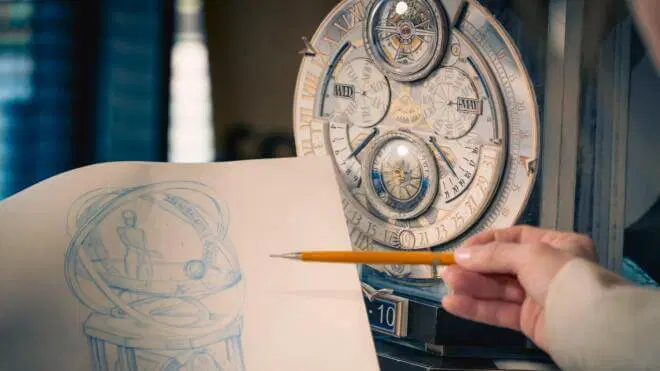
Ultimately, luxury watch milestones represent more than just a number on a calendar. They are a testament to the endurance of mechanical art in a digital age. Whether a brand chooses to celebrate with a grand astronomical clock like Vacheron Constantin or remains quiet like Rolex, these anniversaries provide a framework for collectors to appreciate the passage of time.
For the collector, the advice remains the same: buy the watch because you love the design and the engineering, but appreciate the anniversary for the story it tells. After all, in the world of haute horlogerie, we aren’t just buying a machine to tell the time—we are buying a piece of history that has survived long enough to celebrate its next big milestone.